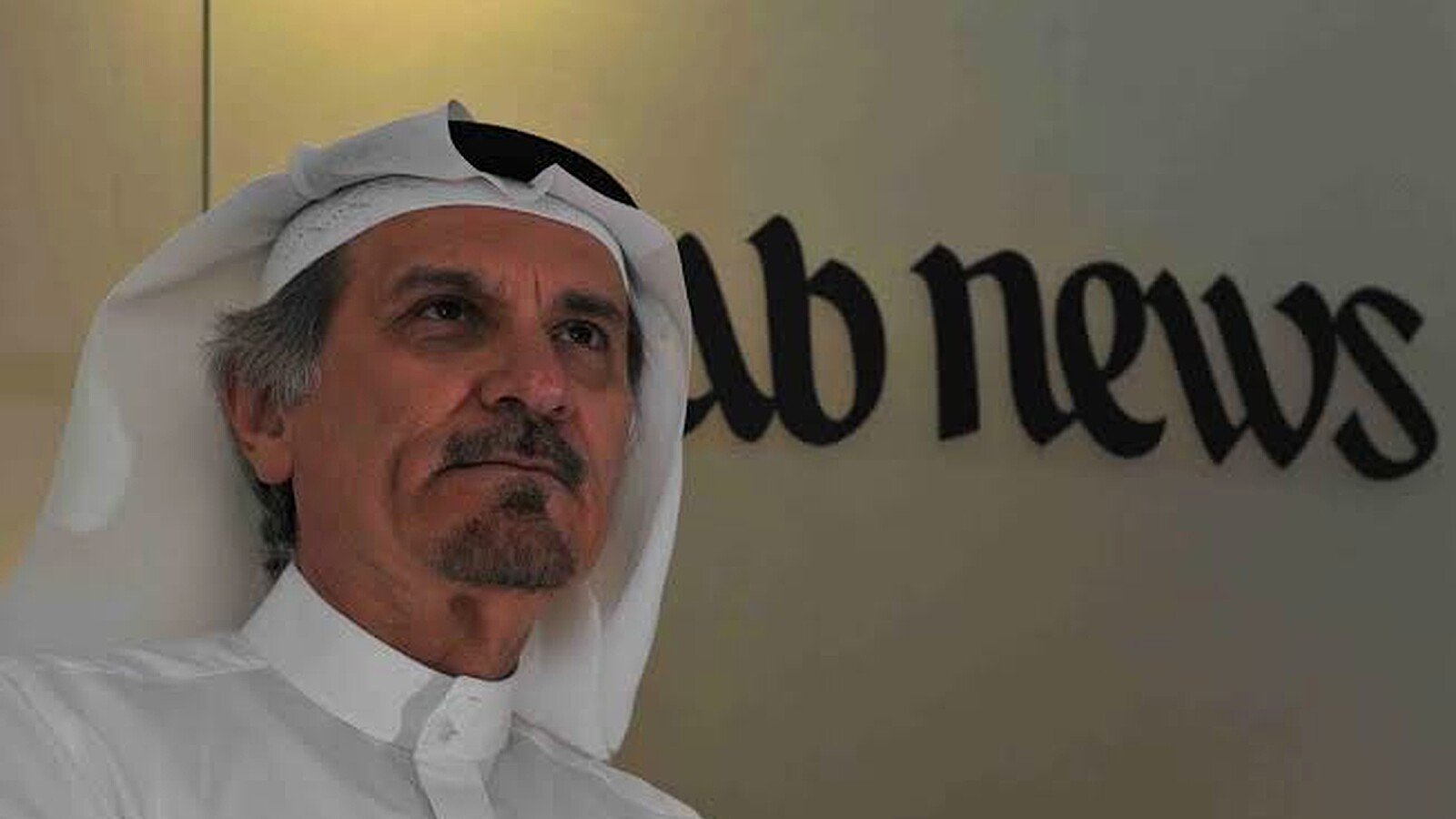
ISLAMABAD: A prominent Saudi journalist has asserted that Israeli Prime Minister Benjamin Netanyahu harboured a deliberate strategy to hinder the economic advancement of Gulf states while pursuing the controversial concept of Greater Israel. Khalid Al-Aina emphasised that public awareness of regional adversaries remains high, underscoring efforts to end the ongoing conflict swiftly due to its potential for severe economic consequences if prolonged.
The remarks highlight deepening concerns over Israel’s regional ambitions amid persistent hostilities in Gaza and beyond. Netanyahu’s recent public affirmation of attachment to a “Greater Israel” vision has intensified regional tensions, prompting widespread condemnation from Arab capitals.
In an August interview with i24NEWS, Netanyahu explicitly stated his strong connection to the idea of Greater Israel, describing it as part of a historic and spiritual mission. The term Greater Israel, rooted in certain biblical interpretations, envisions expanded Israeli borders potentially encompassing territories in Jordan, Lebanon, Syria, Egypt, Iraq, and even parts of Saudi Arabia.
Arab and Islamic nations responded swiftly to these comments. A coalition of 31 countries, including members of the Arab League and Organisation of Islamic Cooperation, issued a joint statement denouncing the remarks as a direct threat to Arab national security and a violation of international law.
Saudi Arabia’s Cabinet strongly condemned Netanyahu’s vision, rejecting expansionist settlement projects that undermine Palestinian rights and breach global norms. The Saudi Foreign Ministry described such statements as a blatant disregard for sovereignty, warning of risks to regional and international stability.
Similar rebukes came from Qatar, Jordan, Egypt, and the Arab League, which labelled the comments as reflective of extremist colonial delusions. These reactions underscore fears that Israeli policies could destabilise the broader Middle East, particularly by impeding Gulf states’ ambitious development agendas.
Gulf countries have invested heavily in diversification beyond oil, with initiatives like Saudi Arabia’s Vision 2030 focusing on technology, tourism, and infrastructure. Projects such as NEOM represent massive economic transformation efforts aimed at positioning the region as a global hub.
Analysts suggest that prolonged conflict disrupts these plans through heightened geopolitical risks, investor caution, and potential disruptions to trade routes. Saudi officials have repeatedly warned that extended warfare in Gaza and surrounding areas could trigger significant economic fallout, affecting global sentiment and regional growth.
The journalist’s observation aligns with broader Arab discourse viewing certain Israeli strategies as attempts to weaken neighbouring states. By fostering instability, such approaches could indirectly obstruct the rise of prosperous Gulf economies that challenge traditional power dynamics.
Public sentiment in the region reflects growing recognition of these challenges. Citizens and commentators increasingly identify perceived threats to sovereignty and development, fostering calls for de-escalation.
Efforts to halt the conflict gain urgency as economic indicators show vulnerability. Disruptions in energy markets, supply chains, and investment flows could amplify if hostilities expand, impacting not only local economies but also global ones reliant on Middle Eastern stability.
Netanyahu’s government has faced criticism for policies seen as prioritising expansion over peace. Settlement activities in occupied territories continue despite international opposition, further complicating normalisation prospects with Arab states.
The Abraham Accords, which normalised ties between Israel and several Gulf countries, had promised economic benefits through cooperation. However, the Gaza war and related statements have strained these relationships, with some partners expressing reservations.
Saudi Arabia maintains that normalisation hinges on Palestinian statehood, rejecting any diversion of focus from core issues. Official statements reaffirm support for an independent Palestine on its historical lands.
The journalist’s call for swift resolution emphasises pragmatism. Prolonged war risks cascading economic effects, including inflation, reduced trade, and diminished foreign direct investment in the Gulf.
Regional leaders advocate for dialogue and restraint to safeguard development gains. Stability is viewed as essential for sustaining momentum in transformative projects that benefit millions.
As tensions persist, the interplay between security ambitions and economic aspirations remains central. Observers note that recognising mutual interests in prosperity could pave the way for reduced hostilities.
The Saudi journalist’s perspective encapsulates a wider hope that awareness and concerted efforts will prevail over escalation. Ending the conflict promptly would avert deeper economic repercussions and foster a more secure environment for all states involved.