ISLAMABAD: Amid escalating US-Israeli military operations against Iran that have killed Supreme Leader Ayatollah Ali Khamenei and triggered widespread regional retaliation, a senior Pakistani security official on Monday firmly dismissed speculation that Pakistan could become the next target of similar aggression, describing such claims as devoid of facts and propagated by agents of chaos.
The official’s remarks, shared in a briefing with Dawn, came as the Middle East conflict entered its fourth day with intensified strikes on Tehran and Beirut, alongside Iranian missile and drone attacks on US allies in the Gulf.
He emphasized that Pakistan differs fundamentally from Iran in military posture, global integration, and defensive capabilities, making any direct comparison invalid and alarmist narratives misleading.
The joint US-Israeli campaign, launched on February 28, 2026, initially targeted Iranian leadership, nuclear facilities, missile sites, and Islamic Revolutionary Guard Corps assets in a bid to degrade command structures and air defenses.
Reports indicate over 2,000 strikes by early March, resulting in significant casualties, including the confirmed death of Khamenei and other top commanders in a decapitation strike on a leadership meeting in Tehran.
Iran responded with hundreds of ballistic missiles and drones aimed at Israel, the United Arab Emirates, Qatar, and other Gulf states hosting US bases, closing the Strait of Hormuz and hitting targets like the US Embassy in Riyadh.
President Donald Trump described the operation as ongoing, projecting it could last weeks or longer to destroy Iran’s missile arsenal, navy, nuclear ambitions, and support for militant groups.
Israeli Prime Minister Benjamin Netanyahu stated the conflict would not extend for years but might require some time for decisive outcomes.
Speculation about Pakistan arose from concerns over potential spillover to other nuclear-armed states in the region, fueled by analyses from Western think tanks examining escalation risks.
Some observers pointed to Pakistan’s nuclear capabilities as a deterrent factor, while others highlighted differences in alliances and foreign policy alignments.
The senior official rejected these parallels outright, asserting Pakistan remains fully integrated into the international community through diplomatic, economic, and strategic ties.
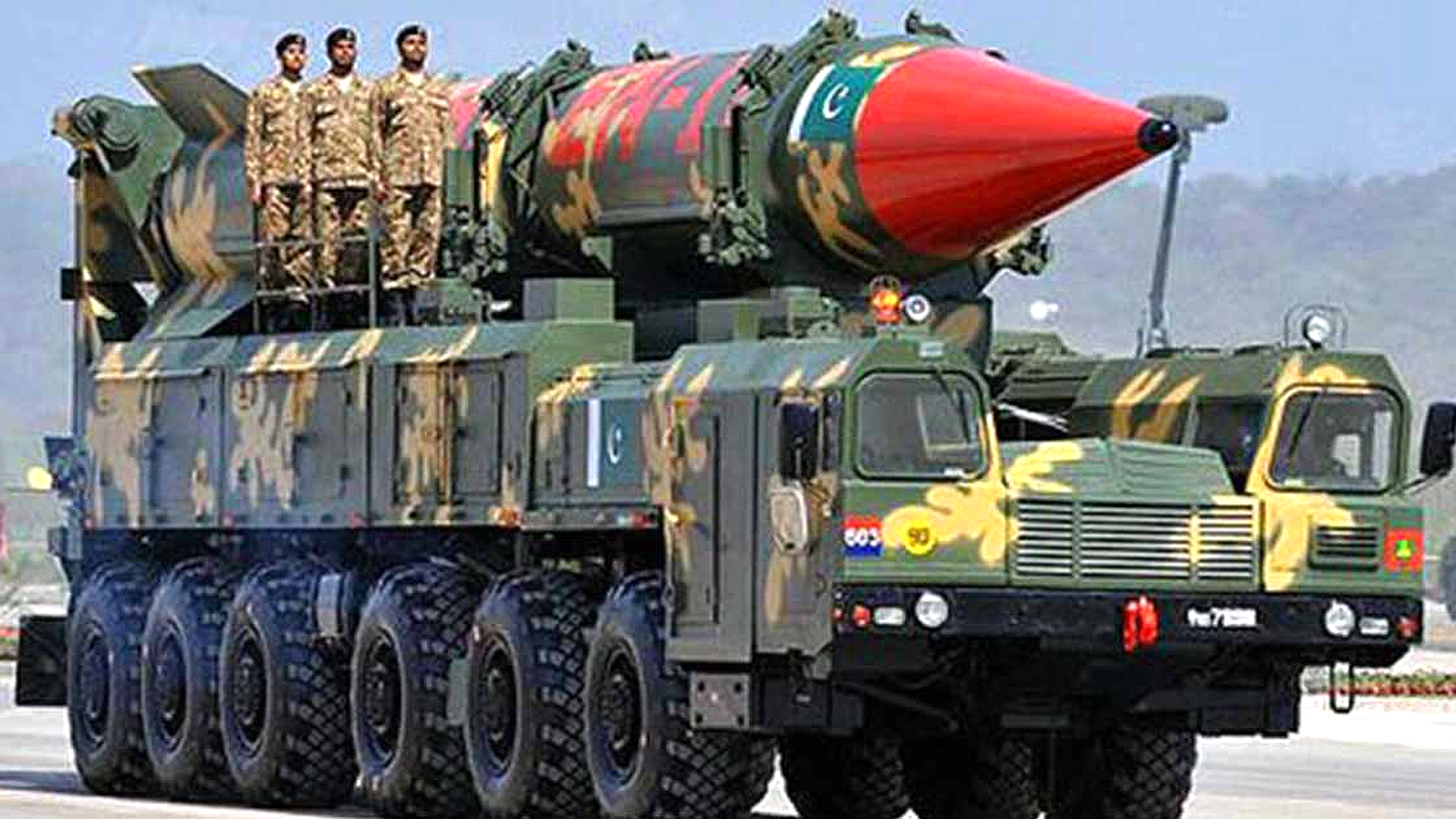
He highlighted Pakistan’s robust self-defense mechanisms, including a credible nuclear deterrent and conventional forces capable of safeguarding sovereignty against external threats.
Pakistan maintains strong relations with major global powers, including the United States through counterterrorism cooperation and China via economic partnerships, reducing the likelihood of isolation or unilateral aggression.
Unlike Iran, which has faced prolonged sanctions and adversarial positioning with the West, Pakistan engages actively in multilateral forums and regional stability efforts.
The official accused those amplifying fears of pursuing nefarious vested interests, possibly aiming to sow internal discord or exploit regional instability for unrelated agendas.
He urged the public to rely on verified information rather than ungrounded social media rumors that could undermine national morale.
Pakistan’s military and intelligence apparatus continues to monitor developments closely, with no indications of direct threats emerging from the current crisis.
Diplomatic channels remain open, as evidenced by ongoing engagements with allies to de-escalate tensions and prevent broader fallout.
The conflict has already disrupted global energy markets, with Iranian actions affecting oil flows through critical waterways, raising economic concerns for import-dependent nations like Pakistan.
Security analysts note that while the situation remains fluid, Pakistan’s strategic posture emphasizes deterrence and diplomacy over confrontation.
The official’s statement serves to reassure citizens and reinforce institutional confidence in the country’s preparedness.
As the Middle East grapples with uncertainty following regime disruptions in Iran, Pakistan positions itself as a stable actor committed to peace and self-reliance.
Experts suggest the dismissal aims to counter misinformation campaigns that could exploit public anxiety during a volatile period.
Pakistan’s armed forces maintain high readiness levels, with historical precedents demonstrating effective responses to external pressures.
The briefing underscores a clear message: Pakistan stands distinct, resilient, and unthreatened by the ongoing US-Israeli operations against Iran.