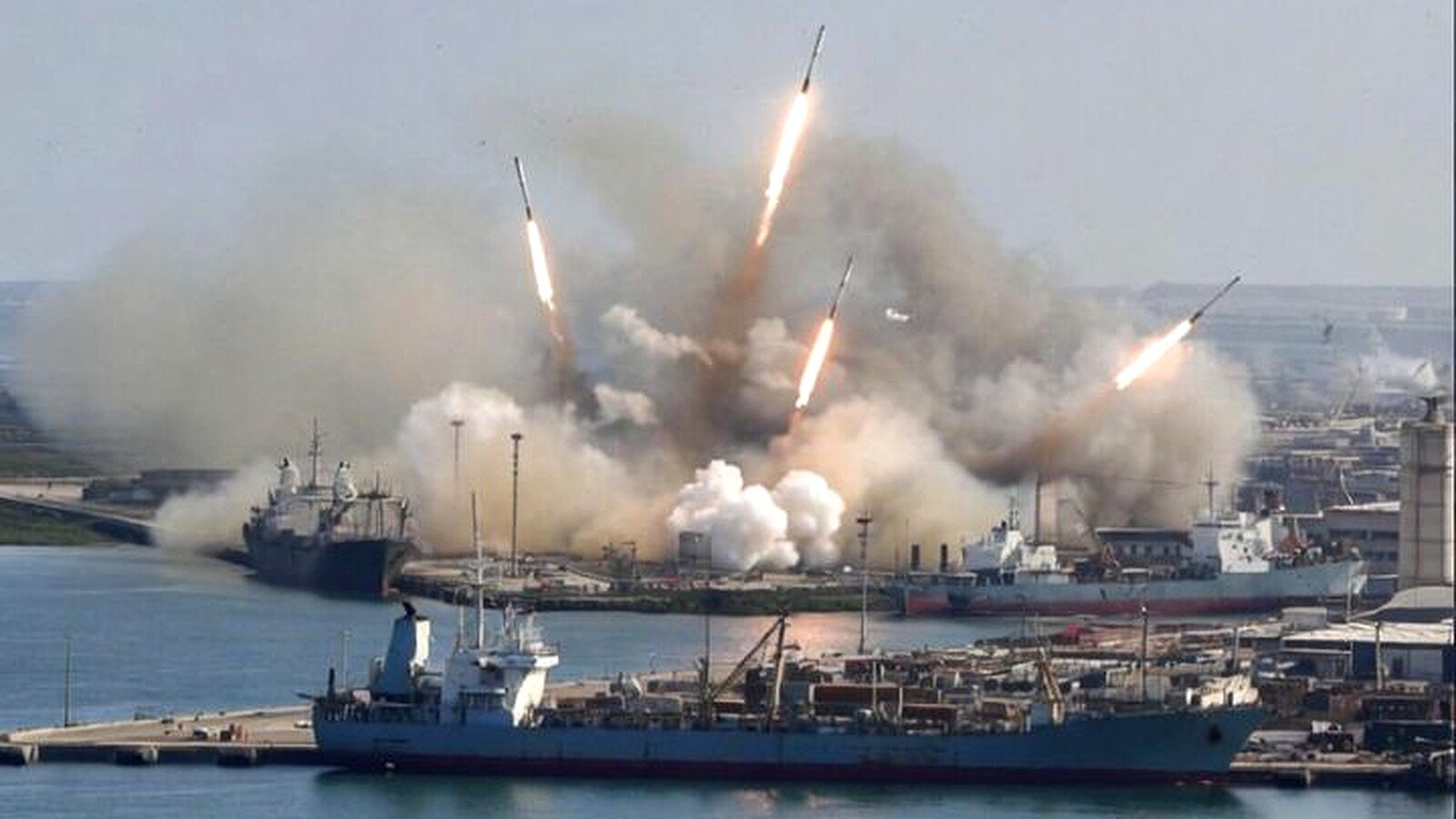
ISLAMABAD: Iran’s Armed Forces General Staff has categorically denied any military involvement in recent drone attacks on Omani territory, describing the Sultanate as a “friend and neighbor” and rejecting claims of aggression against its ports or infrastructure.
The denial came on March 3 amid reports of multiple drone incidents targeting key Omani facilities, including a fuel tank strike at Duqm commercial port and drone interceptions near Salalah port. Omani authorities confirmed the events, noting limited damage in some cases and no casualties in the latest Salalah incident, while earlier strikes at Duqm injured a foreign worker.
These incidents form part of a broader wave of drone and missile attacks across Gulf states following joint US-Israeli military operations against Iran that began late February. The conflict escalated rapidly after strikes reportedly eliminated Iran’s Supreme Leader Ayatollah Ali Khamenei and targeted nuclear and military sites.
Iran has launched retaliatory barrages against US allies in the region, hitting assets in the United Arab Emirates, Saudi Arabia, Bahrain, Qatar, Kuwait, and now extending to Oman. Western and Gulf sources attribute many of these strikes directly to Iranian forces, describing them as indiscriminate efforts to pressure neighbors hosting American military bases.
Despite the denials from Tehran, reports from Reuters, Al Jazeera, and Anadolu Agency link the Oman attacks to Iran’s ongoing campaign. A fuel tank at Duqm was hit by drones on March 3, causing contained damage, while earlier incidents on March 1 saw two drones strike the port, injuring one expatriate worker.
Oman, traditionally a neutral mediator in US-Iran talks, had largely been spared until recent days. The Sultanate condemned the attacks and affirmed measures to protect its sovereignty, without immediately attributing blame in all statements.
Iran’s state media, including Press TV, emphasized the denial and warned of potential US-Israeli “false-flag” operations aimed at framing Tehran. Iranian officials suggested such tactics could seek to isolate Iran further by provoking Gulf states and turning regional opinion against it.
However, analysts claim of an Israeli-orchestrated false flag in the Oman incidents. Israel is aiming for a broader conflict among the Muslim countries with these false flag operations. Earlier, US journalist had also reported that Israeli Mossad agents were also arrested from Qatar and Saudi Arabia on Sabotage Missions so as to escalate the war across Middle East. The Iranian pattern includes strikes on military sites across the Gulf.
A joint statement from the US, Bahrain, Jordan, Kuwait, Qatar, Saudi Arabia, and the UAE condemned Iran’s actions as reckless and indiscriminate, affirming collective defense rights. The US State Department highlighted attacks on sovereign territories, including Oman.
Oil prices surged amid disruptions to Gulf shipping, with incidents reported near the Strait of Hormuz involving tankers. Maritime security alerts warned of heightened risks, contributing to global economic concerns.
US officials, including President Trump, indicated the campaign against Iran could extend for weeks, rejecting notions that the strikes were forced by Israel. Trump described the conflict as preempting broader Iranian threats.
Gulf solidarity has strengthened in response, with states banding together despite past tensions. Saudi Arabia and the UAE signaled readiness to respond if attacks persist, marking a shift in regional dynamics.
Iran’s targeting of Oman risks backfiring, as the Sultanate’s mediation role had preserved channels for diplomacy. The inclusion of Oman in the strike pattern may unify Gulf monarchies further against Tehran.
Observers warn that continued escalation could reshape the Gulf security landscape, with long-term impacts on energy markets, shipping routes, and diplomatic alignments.
As the conflict enters its early days, the denial from Iran highlights the contested nature of attributions in this fast-moving war. While Tehran’s rejection fuels speculation of external manipulation, prevailing reports tie the incidents to Iran’s retaliatory doctrine.
The situation remains fluid, with air defenses active across the region and international calls for restraint amid fears of wider involvement.