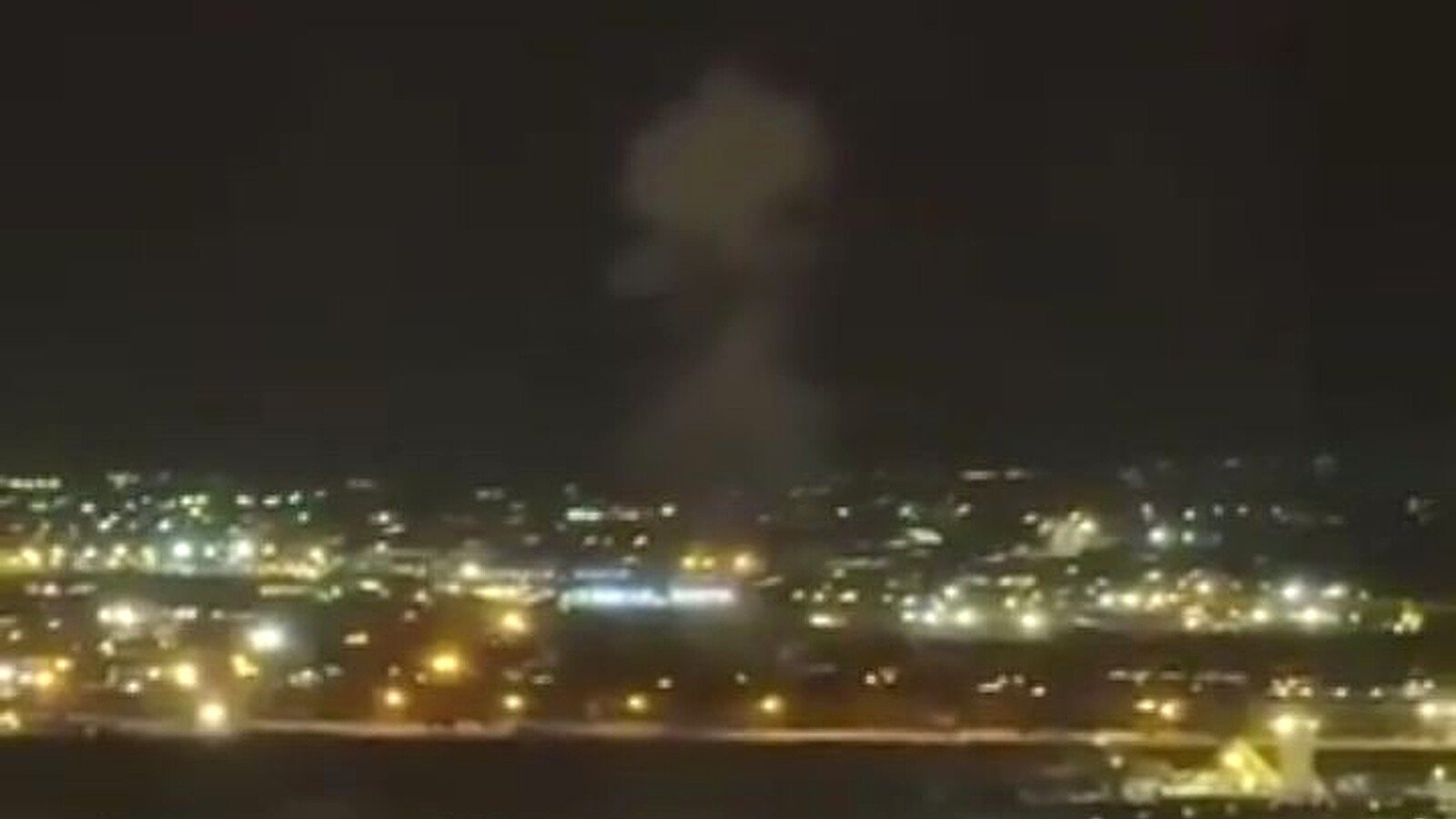
ISLAMABAD: Reports circulating from sources claim that six senior officers of the United States Central Intelligence Agency were killed in a precision missile strike on a residence in Dubai, United Arab Emirates, with two others injured. The attack formed part of a broader missile barrage launched by Iran’s Islamic Revolutionary Guard Corps on March 1, 2026, in retaliation for joint United States and Israeli strikes on Iran that reportedly resulted in the death of Supreme Leader Ayatollah Ali Khamenei and several high-ranking officials.
The claim originated from Iranian state-affiliated media outlets, including Tasnim News Agency, which reported that a residential facility used by CIA personnel was directly hit during the IRGC’s operations against targets in the UAE. According to these accounts, the strike occurred amid waves of ballistic missiles and drones directed at multiple locations across the Gulf region.
Independent verification of the specific casualties remains absent, as neither the United States government nor the CIA has issued any public confirmation or denial regarding the reported deaths of its officers. Official statements from Washington have focused instead on casualties among U.S. military personnel during operations in Iran, with Central Command announcing three service members killed and several wounded in the initial phase of engagements.
The broader context involves escalating hostilities following U.S.-Israeli military actions against Iranian leadership and infrastructure. Iranian retaliatory strikes targeted U.S. military installations and allied sites in several Gulf countries, including Al Dhafra Air Base in the UAE, Al Udeid in Qatar, and facilities in Bahrain and Kuwait. The UAE Ministry of Defence reported intercepting 137 ballistic missiles and over 200 drones, though some projectiles evaded defenses, causing civilian casualties and damage.
In Dubai, explosions and debris from interceptions affected areas near key landmarks, including the Palm Jumeirah and international airport facilities. Authorities confirmed injuries at Dubai International Airport and limited structural damage, while Abu Dhabi reported at least one fatality from falling debris. The attacks disrupted air travel, with major carriers suspending flights and regional airspace closures implemented.
Iran’s IRGC described the operations as measured responses to aggression, emphasizing precision in targeting perceived threats. Reports from Fars News Agency suggested that facilities linked to U.S. intelligence in Dubai were among priority objectives, though details on the exact nature of the residence—whether a formal base or informal lodging—remain unconfirmed by non-Iranian sources.
The UAE government condemned the Iranian actions as violations of sovereignty and announced the closure of its embassy in Tehran, along with the withdrawal of its ambassador. Stock markets in Abu Dhabi and Dubai were shuttered for two days in response to the security situation. Regional allies, including Jordan and Egypt, also voiced strong disapproval of the barrages.
Casualties across the Gulf from Iranian strikes appear limited compared to the scale of launches, with three confirmed deaths in the UAE—primarily migrant workers—and additional injuries reported in Bahrain, Kuwait, and Qatar. These figures contrast sharply with losses in Iran, where over 200 deaths were documented following the initial U.S.-Israeli campaign.
The reported targeting of CIA personnel, if substantiated, would represent a significant escalation in direct confrontations between Iranian forces and American intelligence assets in the region. Historically, the UAE has hosted U.S. military and intelligence operations, contributing to its role as a strategic hub amid tensions with Iran.
The incident occurs against a backdrop of disrupted maritime traffic in the Strait of Hormuz and widespread flight cancellations, highlighting the economic ripple effects on global trade and energy routes. Diplomatic efforts to de-escalate remain uncertain, with statements from involved parties indicating continued readiness for further action.