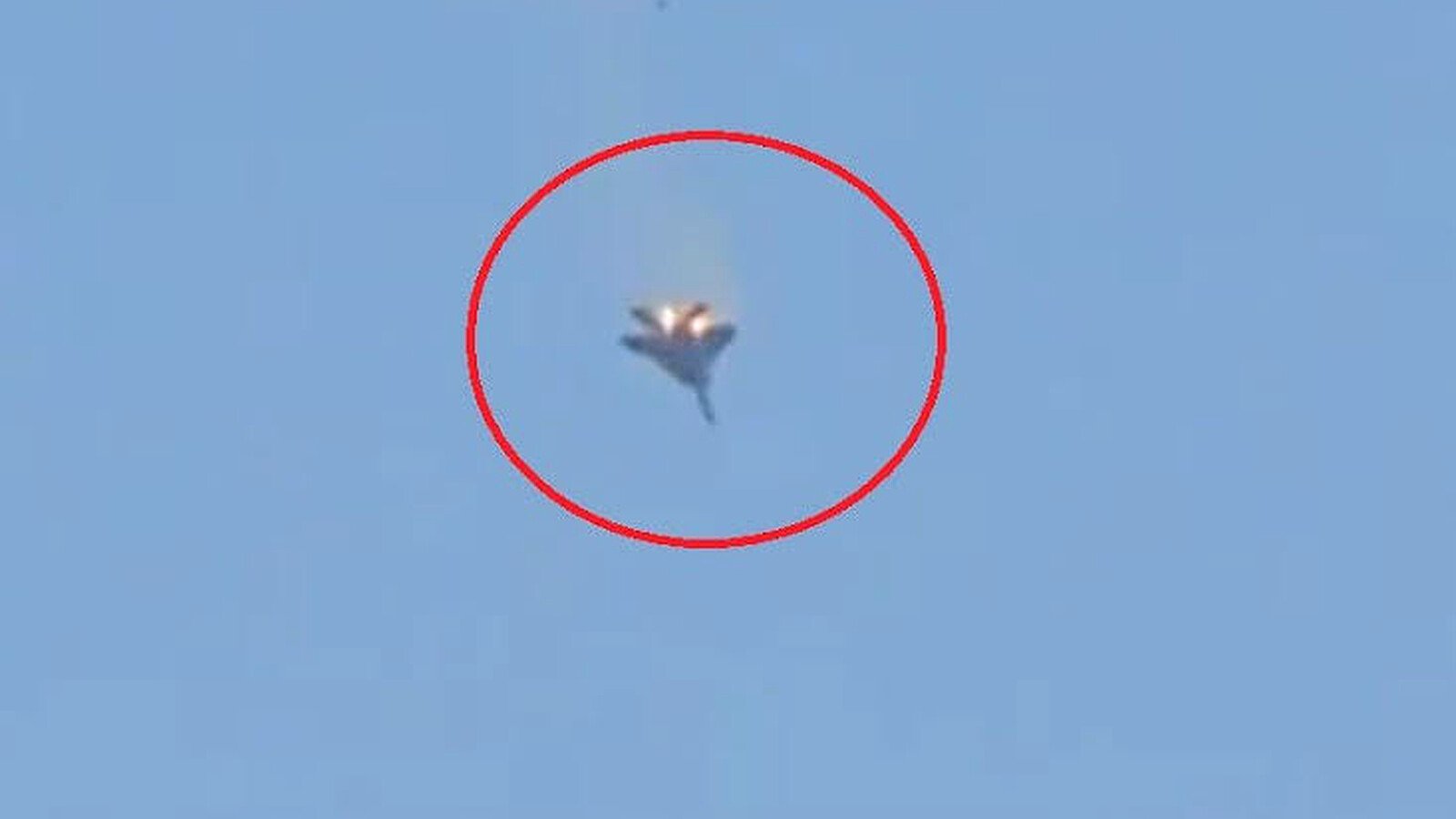
ISLAMABAD: Three United States Air Force F-15E Strike Eagle fighter jets were lost over Kuwait in what US Central Command has described as an apparent friendly fire incident involving Kuwaiti air defenses.
The incident occurred late on March 1 during active combat operations under Operation Epic Fury, the joint US-Israeli campaign against Iran that entered its third day.
US officials stated that the jets were mistakenly targeted by Kuwaiti surface-to-air systems amid incoming Iranian aircraft, ballistic missiles and drones.
All six aircrew members ejected safely, were recovered and remain in stable condition, according to CENTCOM.
Kuwait has acknowledged the event and expressed support for the ongoing operation against Iran.
The losses come as the conflict escalates rapidly following initial US-Israeli strikes on February 28 targeting Iranian military infrastructure.
Iranian state media and military sources have claimed responsibility for downing the aircraft, asserting that their air defense systems engaged and destroyed the American jets.
Reports from Iranian outlets circulated videos purportedly showing an F-15 spiraling in flames over western Kuwait.
Some Iranian commanders have specifically referenced the use of Russian-supplied S-300 systems in achieving these alleged kills.
These claims contrast sharply with the US account of friendly fire from allied Kuwaiti defenses.
Kuwait’s air defense network relies heavily on American-origin equipment, including Patriot missile systems equipped with advanced friend-or-foe identification technology.
Such systems are designed to minimize misidentification risks in coalition operations through interrogation protocols and data links.
Analysts note that during high-threat environments with multiple incoming projectiles, overload or momentary failures in identification can occur despite safeguards.
No immediate evidence supports widespread system malfunction in Kuwaiti defenses.
Speculation has emerged regarding external interference contributing to the incident.
Reports suggest Chinese-supplied electronic warfare or jamming systems provided to Iran may have disrupted radar and communication links in the region.
While such capabilities could affect non-stealth platforms like the F-15 by degrading situational awareness or spoofing signals, they are unlikely to directly down aircraft without kinetic engagement.
Experts emphasize that jamming alone cannot replace missile interception for shoot-downs.
The F-15E Strike Eagle, a twin-engine multirole fighter, has seen limited combat losses historically, making this triple incident notable.
These represent the first confirmed combat losses of US aircraft in the current operation.
The jets were supporting missions to intercept Iranian retaliatory strikes directed at regional allies.
Iran has launched multiple waves of missiles and drones targeting Israel and Gulf states in response to attacks on its territory.
The US narrative of friendly fire aligns with statements from Kuwaiti authorities, who reported several US aircraft crashes with crews surviving.
However, the rapid emergence of Iranian claims has fueled online discussions questioning the official explanation.
Some observers point to the timing and location over Kuwaiti airspace as unusual for direct Iranian kinetic action far from their borders.
Iranian forces possess long-range capabilities, but successful intercepts over allied territory would require precise targeting data.
No independent verification of Iranian missile launches specifically downing these jets has surfaced from neutral sources.
The incident highlights challenges in coalition air operations during intense multi-domain threats.
Electronic warfare plays an increasing role, with reports of Chinese assistance enhancing Iran’s defensive posture through radars and countermeasures.
Despite acquisitions like HQ-9B systems from China, Iranian air defenses have shown limited effectiveness against US-Israeli strikes.
The downed F-15s underscore vulnerabilities even among advanced non-stealth fighters in contested environments.
US military officials have initiated an investigation into the cause, promising further details.
The event has added to casualties in the widening conflict, though no fatalities resulted from the shoot-downs.
Four US service members have been reported killed in related actions since the operation began.
Iranian sources claim higher impact from their retaliatory measures.
The discrepancy between US and Iranian accounts reflects broader information warfare dynamics in the escalating confrontation.
Military experts urge caution in accepting unverified claims from either side amid fog of war.
The losses may prompt reviews of identification protocols in joint Gulf operations.
As Operation Epic Fury continues, attention remains on potential further escalations across the region.