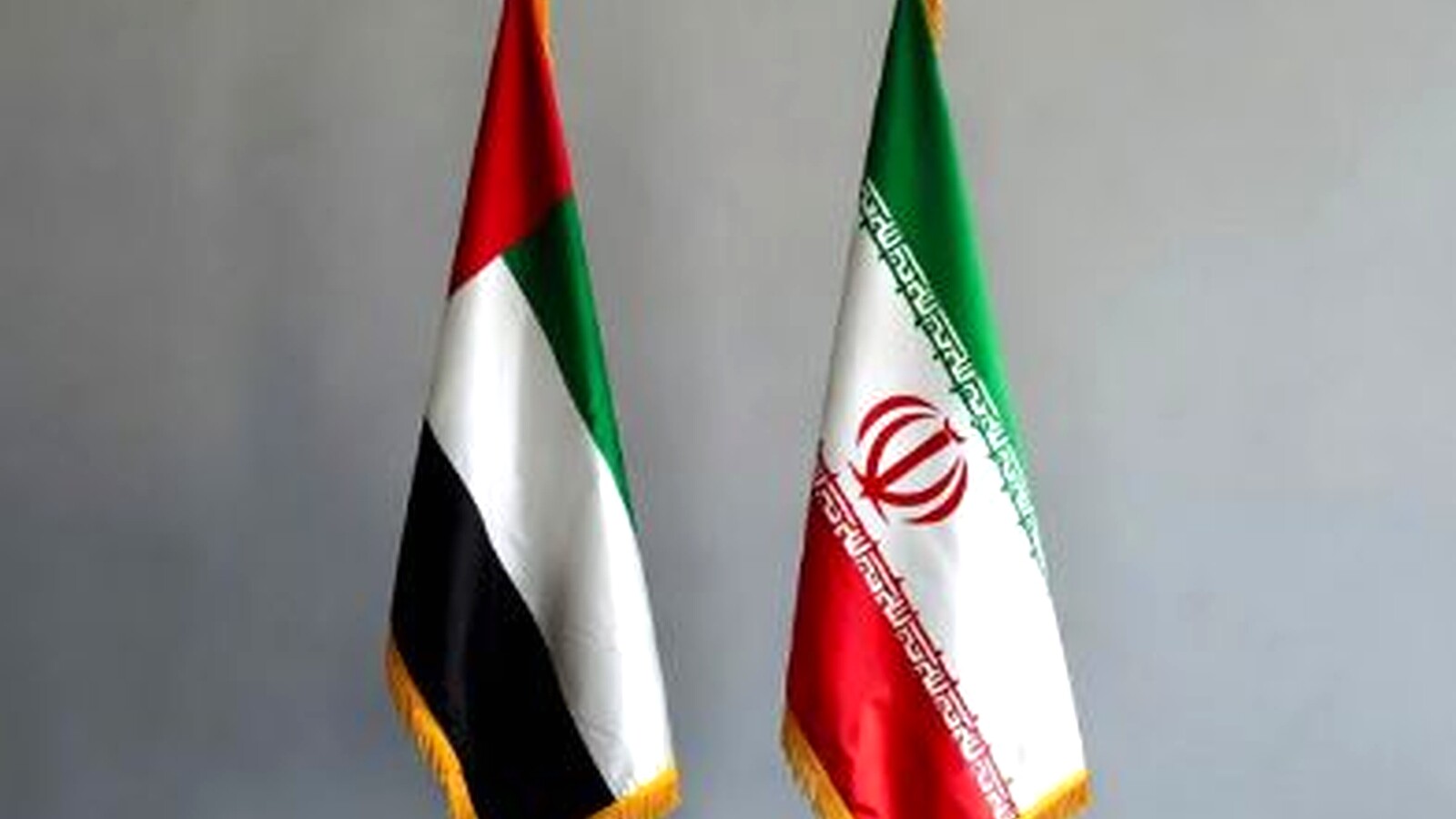
ISLAMABAD: The United Arab Emirates has taken a decisive diplomatic step by closing its embassy in Tehran and withdrawing its ambassador along with the entire diplomatic mission from Iran. This action, announced on March 1, 2026, directly responds to repeated Iranian missile and drone attacks that targeted UAE territory, marking a sharp deterioration in bilateral relations between the two Gulf neighbours.
The UAE Ministry of Foreign Affairs issued a formal statement condemning the Iranian assaults as blatant aggression. These strikes hit civilian infrastructure, including residential zones, airports, ports, and essential service facilities, endangering civilian lives in what Abu Dhabi described as a serious and irresponsible escalation.
According to official Emirati reports, the attacks began on February 28, 2026, as part of Iran’s retaliatory campaign. This followed large-scale US and Israeli military operations against Iranian targets, which reportedly resulted in the deaths of Iran’s supreme leader and senior security officials.
In the UAE, air defence systems intercepted the majority of incoming threats. The Ministry of Defence confirmed that since the onset of hostilities, 165 ballistic missiles were detected, with 152 destroyed, 13 falling into sea waters, and additional cruise missiles and drones neutralised. Despite robust defences, the strikes caused casualties, including three fatalities among expatriate workers of Pakistani, Nepali, and Bangladeshi nationalities, alongside 58 minor injuries.
The foreign ministry emphasised that the Iranian actions constituted a flagrant violation of UAE sovereignty and breached international law, including the United Nations Charter. It highlighted the attacks’ threat to regional peace, international stability, energy security, and the global economy.
This diplomatic rupture reverses recent efforts at normalisation. The UAE had reopened its embassy in Tehran and appointed an ambassador in 2022 as part of a broader thaw in relations, influenced by regional de-escalation initiatives and shared economic interests.
The decision to summon Iran’s ambassador in Abu Dhabi, Reza Ameri, and deliver a strong note of protest underscored Abu Dhabi’s firm position. The ministry stated that continued hostile conduct undermined de-escalation prospects and pushed the region toward a perilous trajectory.
The broader context involves Iran’s retaliation against perceived aggressors hosting US military assets. Strikes extended to other Gulf states, including Bahrain, Qatar, Kuwait, and Oman, prompting a unified response from the Gulf Cooperation Council. GCC foreign ministers convened an extraordinary meeting, condemning the attacks and affirming the right to self-defence while pledging measures to protect sovereignty.
Reports indicate explosions and interceptions across multiple Gulf cities, including Dubai and Doha, over consecutive days. These incidents heightened fears of a prolonged conflict involving major powers and their regional allies.
The UAE’s move signals a hardening stance among Gulf Arab states against Iranian military adventurism. It aligns with joint statements from affected nations emphasising indivisible regional security and the need to halt indiscriminate strikes.
Observers note that the embassy closure effectively suspends diplomatic relations, though no complete severance of consular or other channels has been explicitly declared. This development could complicate future mediation efforts amid rising tensions.
The attacks’ impact on civilian areas drew international condemnation, with several countries expressing solidarity with the UAE and calling for restraint. The situation remains fluid, with ongoing interceptions and potential for further escalation in the volatile Gulf region.