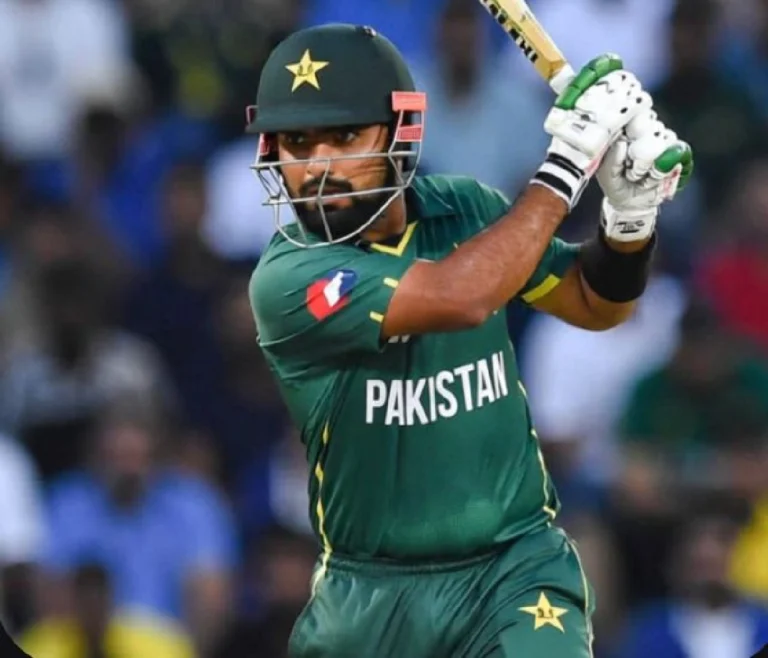
The Pakistan Cricket Board (PCB) made a noteworthy announcement onWednesday, revealing the successful negotiation of a substantial three-yearcentral contracts agreement with its senior players. This significant dealis slated to be in effect from July 1, 2023, to June 30, 2026, and is setto encompass 25 prominent cricketers within its ambit. What sets thisagreement apart is its inclusion of a portion of the International CricketCouncil (ICC) revenue, ensuring the players receive a share of the globalcricket pie.
However, amidst the roster of senior players, there were conspicuousabsences. Test spinners Nauman Ali and Abrar Ahmed were notably omittedfrom the list, raising questions about the selection process. Additionally,Sarfaraz Ahmed, a former Pakistan captain and an accomplished player, foundhimself categorized in the D tier, sparking further debates about thefairness of the contract allocation.
In response to these concerns, PCB Management Committee chairman, ZakaAshraf, appeared on a local news channel to address the matter. He conveyedhis assurance that deserving players, whether omitted initially or not,would be duly recognized and incorporated into the central contracts.
Ashraf sought to quell worries surrounding Nauman, Abrar, and Sarfaraz’ssituation by stating, “If there is any injustice done with Sarfaraz or anyother player, there will be rectified.” His comments underscored the PCB’scommitment to fairness in player selection.
Zaka Ashraf also clarified the decision-making process behind the centralcontracts, explaining that the selection committee and team managementplayed a pivotal role in determining the list of players who would beawarded these contracts. The PCB’s intent to make the process astransparent and equitable as possible was evident in Ashraf’s statements.
Read Top Stories


The central contracts were meticulously divided into four distinctcategories, each with its own level of remuneration. Category A featuredthree players, receiving a substantial 202% increase in their monthlyretainers, while Category B comprised six players with a 144% boost.Category C encompassed two players who saw a notable rise of 135%, and thelargest group, Category D, consisted of 14 players enjoying a 127%increase. The incorporation of ICC revenue into the overall monthlyremuneration made these contracts even more enticing for the selectedplayers.
In conclusion, the PCB’s announcement of a three-year central contractsdeal marks a significant development in Pakistan cricket. While it hasraised questions about player selection and categorization, the commitmentto fairness and transparency in the process, as articulated by Zaka Ashraf,is reassuring. The inclusion of ICC revenue in the contracts adds an extralayer of incentive for the players, making these central contracts animportant part of their careers and financial stability in the coming years.