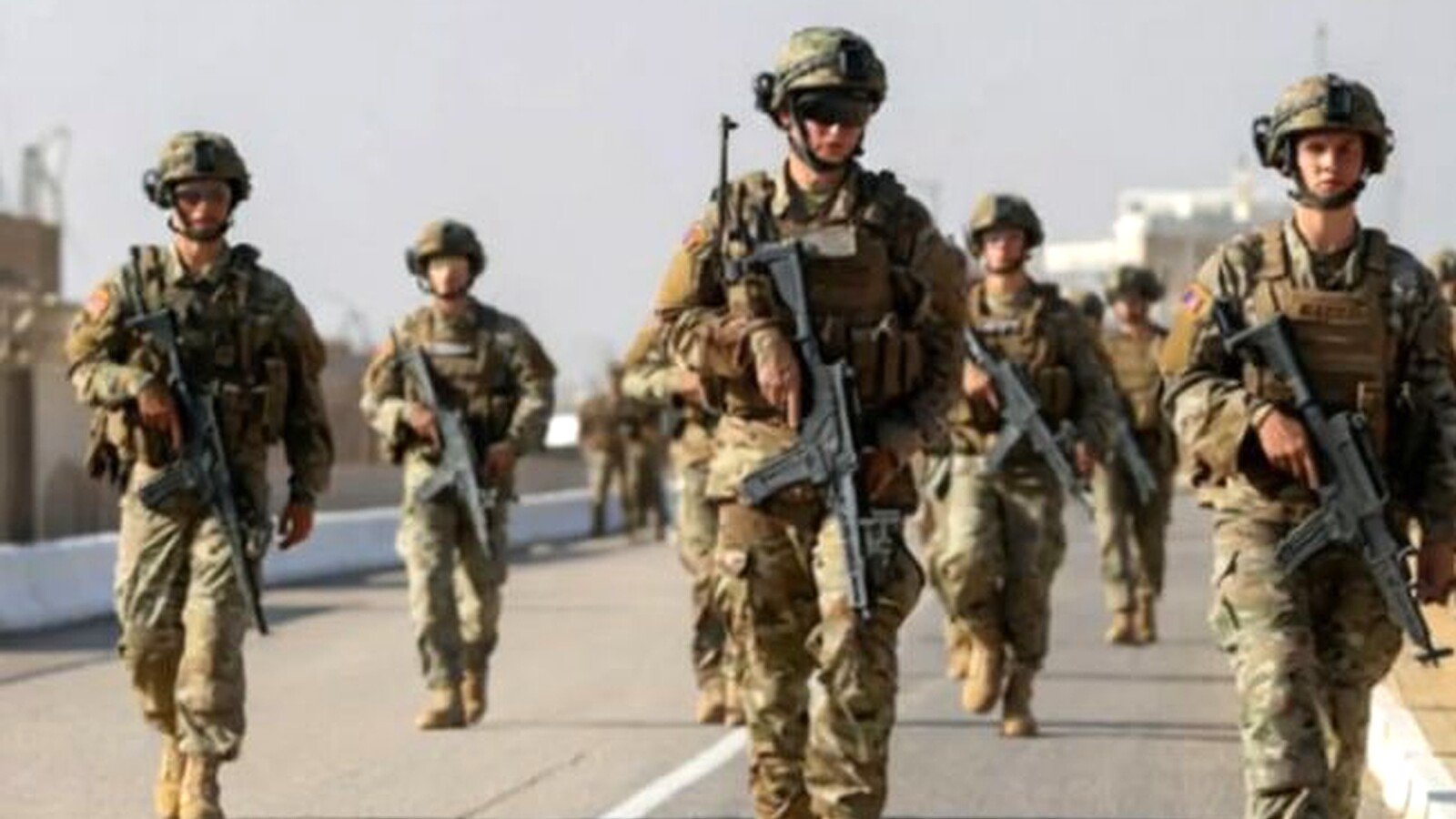
ISLAMABAD: Three American service members were killed and five others seriously wounded in the ongoing US military operation against Iran, known as Operation Epic Fury, marking the first confirmed US casualties in the conflict that began on Saturday with joint strikes by the United States and Israel.
The announcement came from the US Central Command (CENTCOM) on Sunday morning, highlighting the human cost of the escalating confrontation in the Middle East.
CENTCOM stated that as of 9:30 am ET on March 1, the three service members lost their lives in action, while five sustained severe injuries during the operations.
Additional personnel suffered minor injuries, including shrapnel wounds and concussions, and are expected to return to duty soon.
The names of the deceased will be released within 24 hours after notification to their families, following standard military protocol.
This development follows President Donald Trump’s announcement on Saturday of major combat operations against Iran, aimed at eliminating threats from the regime’s nuclear program, missile capabilities, naval forces, and proxy networks.
Trump had explicitly warned of potential American losses, stating that the lives of courageous heroes might be sacrificed, as such outcomes are common in warfare.
The operation, launched in coordination with Israel, has targeted key Iranian military and government sites, resulting in the reported death of Supreme Leader Ayatollah Ali Khamenei and several senior officials.
Iran has responded with retaliatory missile and drone strikes across the region, hitting US bases, allied territories, and ships, intensifying the regional crisis.
Reports indicate Iranian attacks have caused casualties in Israel and other areas, with ongoing exchanges raising fears of broader escalation.
The joint US-Israeli campaign, dubbed Operation Epic Fury, represents a significant shift in policy toward direct confrontation with Tehran.
Military analysts note that the strikes have disrupted Iranian command structures, with additional actions including the sinking of an Iranian warship by US forces in the Gulf of Oman.
CENTCOM confirmed the destruction of a Jamaran-class corvette at a Chah Bahar pier, further weakening Iran’s naval presence.
The operation’s objectives include dismantling Iran’s security apparatus and preventing future threats to US interests and allies.
Trump has described the mission as essential for long-term peace in the Middle East and globally, emphasizing regime change as a potential outcome for the Iranian people.
Despite the casualties, US officials assert that major combat efforts continue unabated, with responses to Iranian aggression ongoing.
The conflict’s rapid progression has drawn international concern, with calls for restraint amid rising death tolls on multiple fronts.
Iranian state media has reported significant civilian losses from the initial strikes, including at educational facilities near military targets, though details remain contested.
The US military maintains that operations prioritize precision to minimize non-combatant harm, while focusing on strategic military assets.
These first American fatalities underscore the risks inherent in such large-scale interventions, echoing historical precedents in regional conflicts.
As the situation evolves, CENTCOM’s updates suggest sustained military pressure on Iranian forces.
President Trump has indicated that strikes may persist for days or longer to achieve stated goals.
The involvement of Israel has amplified the scope, with joint targeting aimed at neutralizing long-standing threats.
Observers point to the death of Khamenei as a pivotal moment, potentially destabilizing Iran’s leadership succession.
The US has positioned substantial forces in the region over recent months, enabling the swift launch of this campaign.
Casualties like these often prompt intensified operations or diplomatic maneuvers, though current statements reflect determination to press forward.
The broader implications for Middle East stability remain uncertain, with oil markets and global security already affected.
This marks a critical juncture in US-Iran relations, following years of tension over nuclear ambitions and proxy activities.
CENTCOM’s prompt disclosure aims to maintain transparency amid a fast-moving theater of operations.
Further details on the specific circumstances of the deaths and injuries are expected as investigations proceed.
The sacrifices of these service members highlight the human dimension of strategic decisions in wartime.
As Operation Epic Fury advances, the focus remains on achieving objectives while managing risks to personnel.
The conflict’s trajectory will likely depend on Iran’s next moves and international responses.