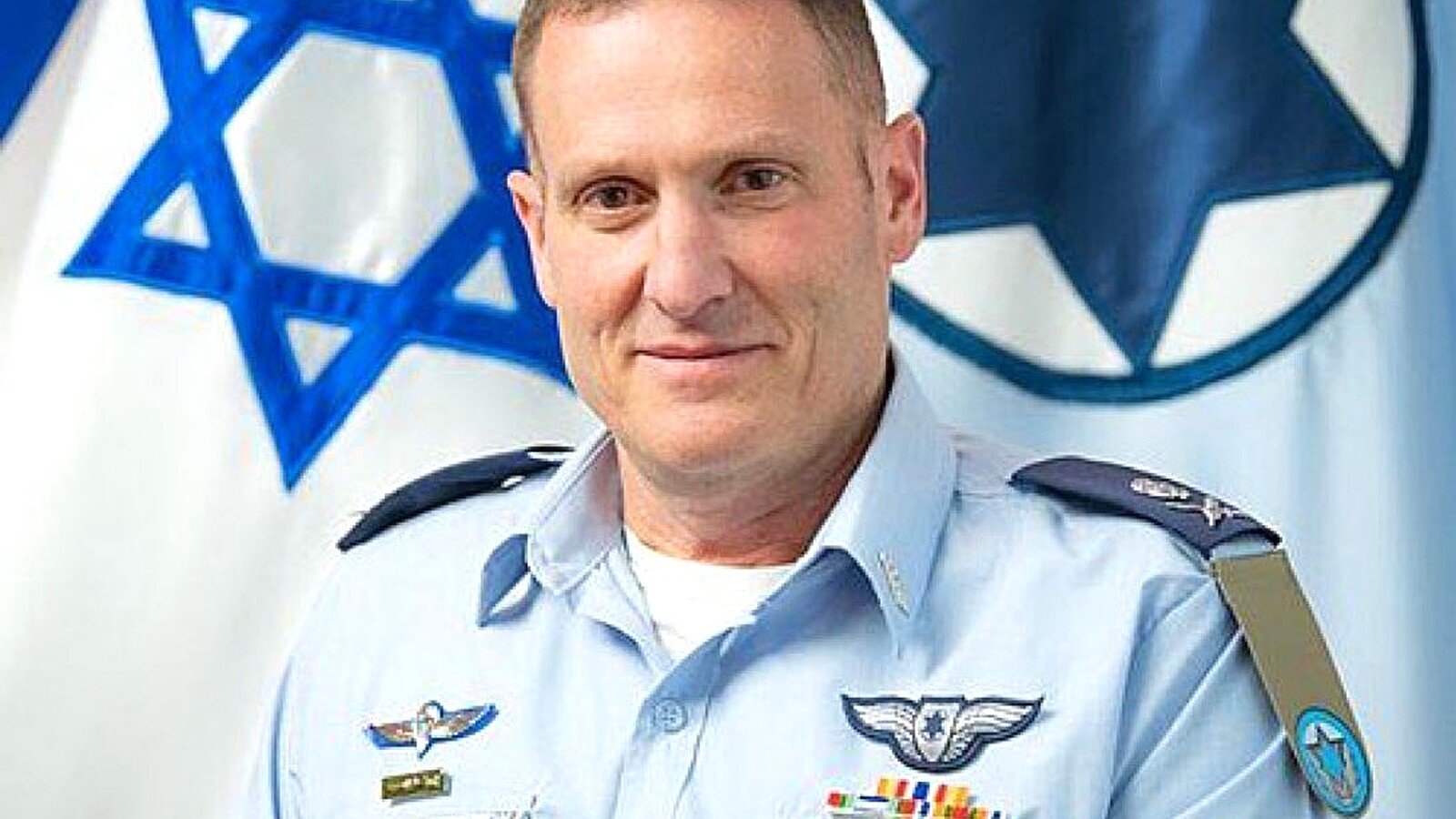




ISLAMABAD: The Islamic Revolutionary Guard Corps (IRGC) has claimed a major success in a targeted operation against Major General Tomer Bar, the commander of the Israeli Air Force, amid escalating cross-border military exchanges between Iran and Israel.
The announcement from the IRGC marks a bold assertion in the ongoing shadow war that has intensified following recent large-scale strikes. Iranian state-affiliated channels and social media outlets circulated the claim, describing the operation as a precise hit on a high-value Israeli military figure.
Tomer Bar, who has led the Israeli Air Force since April 2022, played a central role in recent aerial campaigns. He publicly addressed IAF pilots and crews after massive strikes on Iranian targets, praising the execution of operations that reportedly hit hundreds of sites and degraded Iran’s air defenses and missile capabilities.
The IRGC’s declaration comes in the context of retaliatory missile and drone barrages launched by Iran against Israel and regional U.S. bases. Iranian officials have framed these actions as responses to prior attacks that eliminated key figures, including Supreme Leader Ali Khamenei in a joint U.S.-Israeli operation codenamed Roaring Lion.
Reports indicate that waves of Iranian missiles, dubbed Operation True Promise iterations, targeted Israeli military installations. The IRGC later detailed successive phases, including the sixth through eighth waves, involving ballistic missiles and drones aimed at strategic locations.
Israeli sources have not confirmed any harm to Tomer Bar. Recent statements from the IAF commander show him actively engaged in operational briefings and site visits, including assessments at Hatzerim Airbase alongside senior defense officials.
Independent verification of the IRGC claim remains absent. Social media posts amplifying the announcement often originate from partisan accounts, with some observers labeling them as propaganda efforts to project strength amid setbacks.
The broader conflict traces back to cycles of escalation. In late February 2026, joint U.S.-Israeli airstrikes targeted Iranian nuclear-related sites, ballistic missile arrays, and command centers, resulting in significant casualties among IRGC leadership, including aerospace force commanders.
Iran responded with vows of intense offensives, promising the “most ferocious” operations against Israeli and American interests in the Middle East. The IRGC emphasized readiness to strike U.S. bases across the Gulf region in coordination with allied militias.
Military analysts note that such claims serve dual purposes: boosting domestic morale in Iran and signaling deterrence to adversaries. The IRGC has a history of announcing operations against high-profile targets, though many remain unconfirmed or disputed by the opposing side.
Tomer Bar’s leadership has overseen critical phases of Israel’s air strategy. His tenure includes responses to missile threats from Iran-backed groups and direct confrontations during heightened tensions.
The latest claim emerges against a backdrop of disrupted Iranian command structures. Strikes reportedly paralyzed IRGC communications and killed dozens of senior officers, complicating coordinated retaliation.
Regional observers warn that unverified assertions risk further miscalculation. Both sides continue heavy exchanges, with Israel maintaining aerial superiority and Iran relying on asymmetric tools like missiles and proxies.
The IRGC’s focus on targeting air force leadership aligns with efforts to degrade Israel’s offensive capabilities. Bar has been portrayed in Iranian narratives as responsible for strikes causing civilian harm in Gaza and other areas, though such characterizations are contested.
No official Israeli denial or confirmation has addressed the specific allegation directly. IAF activities, including pilot addresses and base inspections, suggest continuity in command.
The episode underscores the volatile nature of the Iran-Israel confrontation. With advanced weaponry deployed on both sides, the potential for wider involvement remains high, drawing in U.S. forces and Gulf states.
Diplomatic channels have seen limited movement toward de-escalation. International calls for restraint have intensified as exchanges persist into March 2026.
The IRGC announcement, whether accurate or strategic messaging, highlights the psychological dimension of modern warfare. In an era of rapid information flow, claims can shape perceptions before facts emerge.
As developments unfold, the status of key military figures like Tomer Bar will remain under scrutiny. The conflict’s trajectory depends on verified outcomes and measured responses from involved parties.