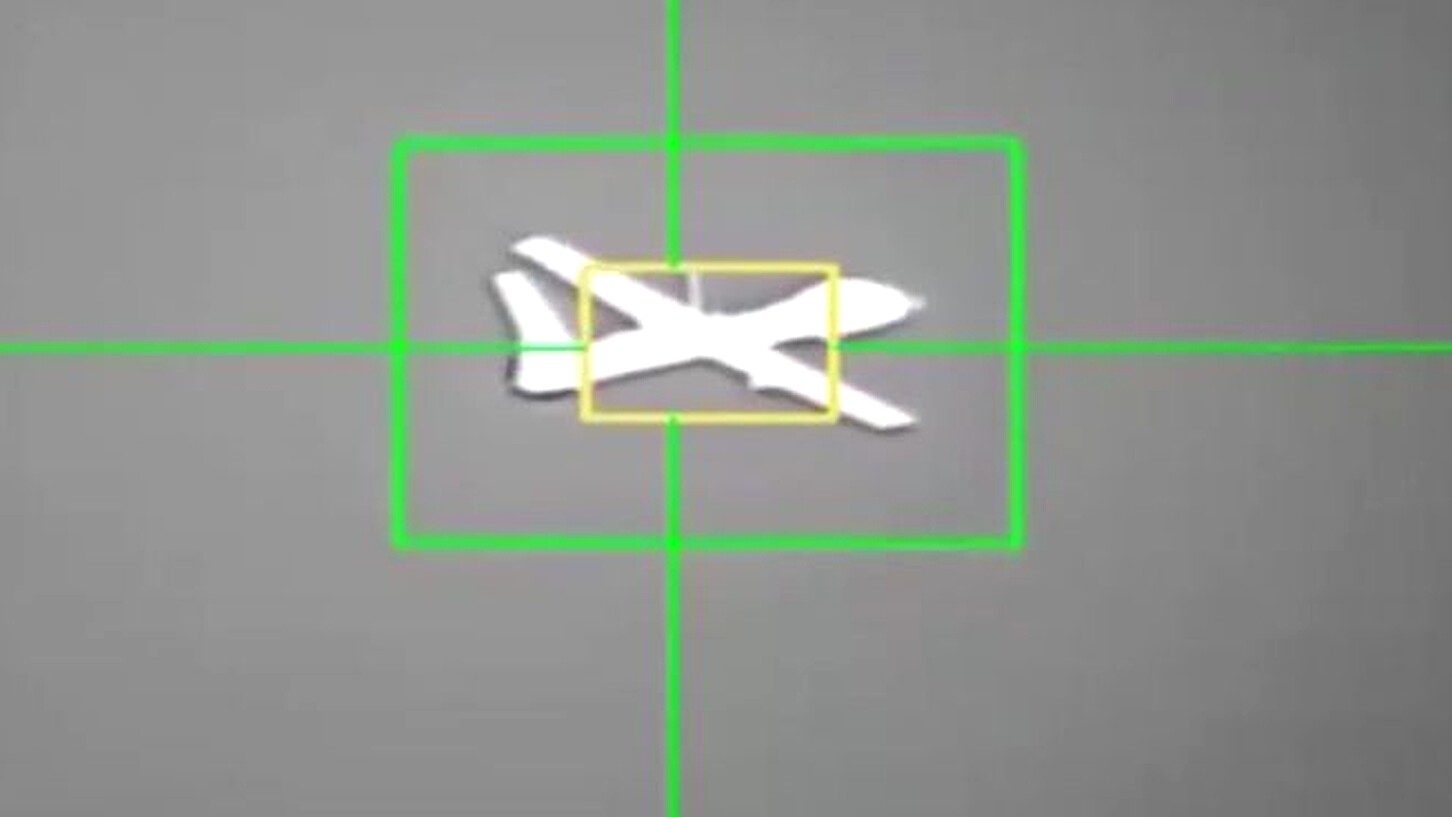
ISLAMABAD: Iran’s Islamic Revolutionary Guard Corps (IRGC) announced on Sunday that its air defence units successfully shot down a United States MQ-9 Reaper unmanned aerial vehicle in southern Iran.
The IRGC’s Aerospace Force described the incident as a targeted operation under the country’s integrated air defence network. State media outlets released footage purportedly showing the moment of interception and destruction of the drone.
According to the IRGC statement, the MQ-9 Reaper was engaged while operating over Iranian territory. The force emphasised that Iranian airspace remains unsafe for any enemy aircraft, including those of the US military.
The MQ-9 Reaper, manufactured by General Atomics, stands as one of the most advanced surveillance and strike platforms in the US arsenal. It features a maximum endurance of over 27 hours, a service ceiling exceeding 50,000 feet, and capabilities for intelligence, reconnaissance, and precision strikes.
The drone’s loss represents a significant claim amid heightened regional tensions. No immediate confirmation or denial has emerged from US defence officials regarding the incident or the status of any UAV operations near Iran.
Iranian sources highlighted the use of advanced subsonic barraging anti-aircraft guided missiles known as Product-358. This system, developed indigenously, features infrared homing heads for terminal guidance.
The Product-358 operates at speeds up to 0.57-0.6 Mach, equivalent to approximately 700 kilometres per hour. Its reported range extends to 110 kilometres, with an interception altitude capability reaching up to 8,000 metres.
Analysts note that the Product-358 represents a hybrid design blending missile precision with drone-like loitering endurance. It launches via a solid-propellant booster before transitioning to turbojet propulsion for sustained flight.
The missile’s guidance combines inertial navigation with satellite augmentation, culminating in an imaging infrared seeker. A high-explosive fragmentation warhead of around 10 kilograms detonates via an optical proximity fuse.
This system has previously appeared in regional conflicts involving Iranian allies. Houthi forces in Yemen have employed variants, dubbed Saqr-358, against US MQ-9 Reapers and other slow-moving aerial targets.
Reports indicate multiple MQ-9 losses attributed to the 358-series in Yemen since 2023. Such incidents underscore the missile’s effectiveness against medium-altitude, long-endurance platforms like the Reaper.
The Product-358’s subsonic profile limits its use against high-speed manned aircraft. However, it proves optimised for countering surveillance drones that prioritise endurance over velocity.
Iran’s development of such asymmetric capabilities reflects efforts to bolster air defences under international sanctions. The system remains portable, launchable from mobile platforms, enhancing deployment flexibility.
Footage circulated by Iranian state agencies depicts the missile’s trajectory and impact on the MQ-9. While visuals provide visual evidence from Tehran’s perspective, independent verification of the claims remains pending.
The incident occurs against a backdrop of ongoing US-Iran confrontations in the region. Previous episodes include Iran’s 2019 downing of a US RQ-4 Global Hawk over the Strait of Hormuz.
US Central Command has frequently deployed MQ-9 Reapers for monitoring activities in the Middle East. The platform’s high operational cost, estimated at around $30 million per unit, amplifies the significance of any confirmed loss.
Defence experts suggest such shoot-downs could prompt reevaluation of drone deployment tactics in contested airspace. Operators may adjust altitudes, routes, or electronic countermeasures to mitigate risks from loitering anti-air systems.
Iran’s declaration reinforces its stance on sovereignty over its airspace. The IRGC’s public relations department reiterated readiness to counter perceived threats from foreign militaries.
Regional observers monitor potential escalations following the event. The timing aligns with broader geopolitical strains involving US naval presence and Iranian proxy activities.
The Product-358’s role in this claimed success highlights Iran’s progress in indigenous defence technologies. It joins a growing inventory of systems designed to challenge superior air powers through cost-effective means.
No details emerged on whether the drone transmitted data before interception. Iranian officials asserted control over the engagement through their integrated network.
The event adds to the record of UAV incidents in the Middle East. It underscores the evolving nature of aerial warfare, where low-cost munitions target high-value assets.
Iran maintains that its actions serve defensive purposes. The IRGC framed the operation as a response to unauthorised intrusion by a US terrorist army asset.
Further developments depend on any US response or additional evidence release. For now, the claim spotlights Iran’s advancing anti-drone capabilities in a volatile region.